
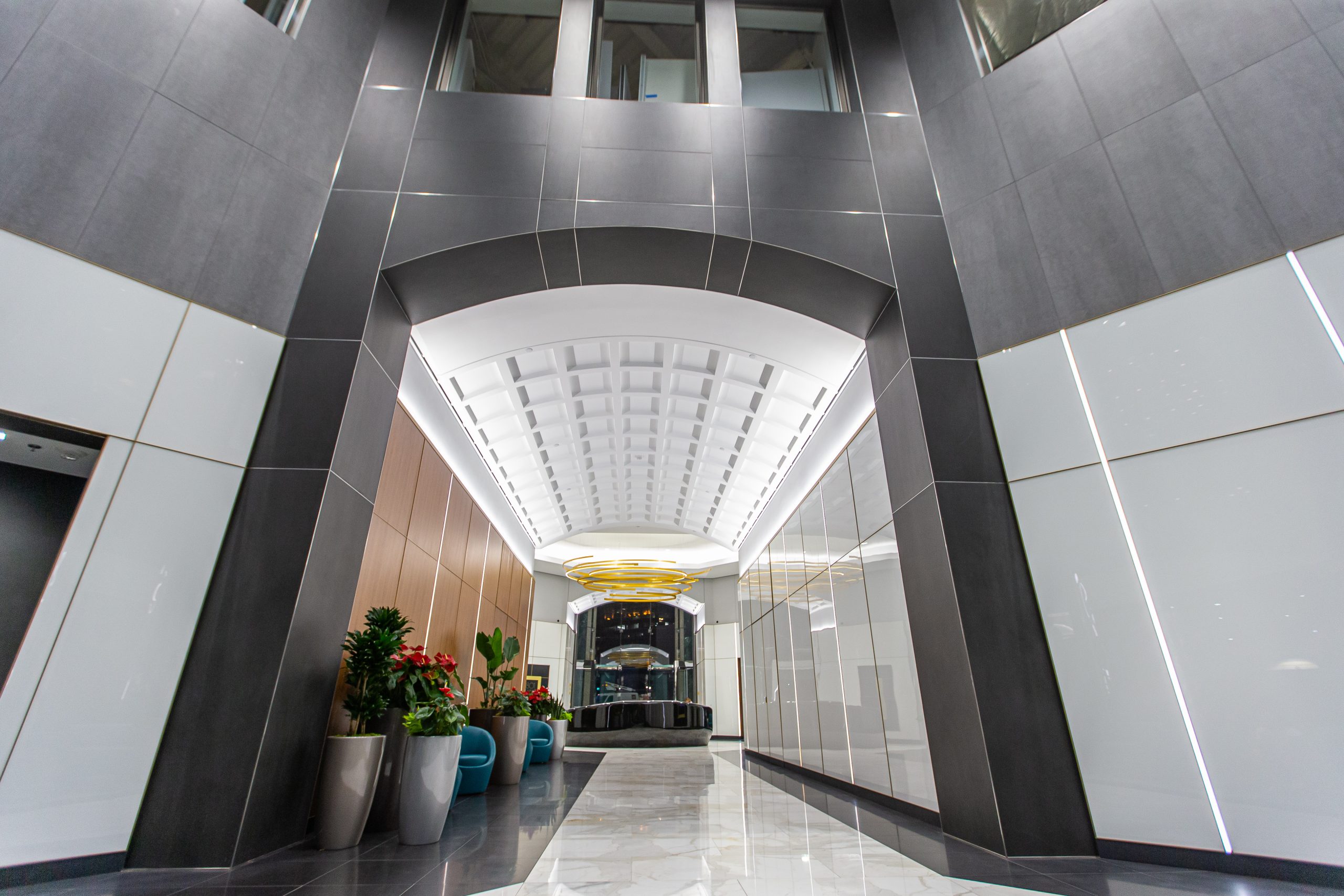

Deciding between renovating your existing facility or new veterinary clinic construction is one of the most significant choices you’ll make as a practice owner. The right decision depends on your growth trajectory, budget constraints, location value and long-term vision for your practice.
Signs It’s Time to Expand or Improve Your Facility
Growth indicators that signal the need for facility improvements include:
- Appointment schedules that are consistently booked weeks in advance
- Cramped treatment areas that limit team efficiency
- Equipment that no longer meets modern veterinary standards
- Layouts that result in workflow bottlenecks
- Poor visibility or inadequate parking that affects client access
Renovation vs. New Construction Comparison
The decision between renovating and constructing a new veterinary practice depends on multiple factors. Your existing building’s condition, location value, and growth projections are all key considerations. This table compares key decision factors to help you evaluate which path aligns with your practice’s needs.
| Renovation | New Construction | |
| Best for | Prime locations with solid infrastructure | Outdated facilities or expansion needs |
| Timeline | Shorter project durations | Longer planning and building periods |
| Operations | Phasing work typically makes it possible to stay open | New construction can only be used upon completion |
| Site selection | Limited to the current location | Full location flexibility |
| Growth potential | Constrained by the existing structure | Can be designed for future expansion |
| Infrastructure | Uses existing systems | New systems can be fully optimized for veterinary use |
| Budget considerations | Usually, a lower up-front investment | Often has a higher initial cost, but better long-term ROI |
When Does Veterinary Clinic Renovation Make More Sense?
Renovation works best when your building is in a prime location with established client traffic patterns. Staying in your current location preserves your client base and maintains the brand recognition you’ve built in your community. A thorough preconstruction assessment helps identify structural concerns and infrastructure needs before you commit to a vet clinic renovation, supporting accurate budgeting from the start.
When New Veterinary Hospital Construction Provides Better Value
New construction makes sense when structural limitations would cost more to fix than starting from the ground up. You also gain complete control over layout, allowing you to design optimal workflow patterns from reception through treatment areas and surgical suites.
New construction offers an opportunity to design infrastructure that supports future growth rather than working within the constraints of an existing structure. This includes accommodating additional examination rooms, expanded imaging capabilities or specialized species treatment areas as your practice evolves.
Combining Renovation and Expansion With a Hybrid Approach
Many practices find the ideal solution lies somewhere between outright renovation and completely new construction. A hybrid approach lets you renovate client-facing areas while adding new wings for surgical suites, imaging or treatment spaces. This preserves your established location while addressing growth needs.
Phased construction minimizes disruption to ongoing operations in the following ways:
- Dust and noise control: HEPA filtration systems and sound barriers isolate construction zones from operational zones in the practice.
- Strategic sequencing: Work progresses section by section, keeping portions of your facility operational throughout the project.
- Flexible scheduling: Intensive construction during off-hours, nights or weekends keeps the environment quiet during peak appointment times.
This hybrid approach works best when your current location has strong market value, your building offers adequate square footage for expansion and you need updated clinical spaces without relocating. Experienced project management keeps your doors open and revenue flowing during construction.
Understanding Project Timelines and Regulatory Considerations
Ground-up builds typically take considerably longer to complete than renovation projects. Veterinary facilities face specialized regulatory requirements beyond standard commercial construction.
Building departments require compliance with codes governing examination rooms, treatment areas, surgical suites, imaging spaces and isolation rooms. Approval is also required for medical-grade HVAC systems, infection control finishes and utilities that support diagnostic equipment.
Critical timeline factors include:
- Permitting duration: This varies by jurisdiction from four to 12 weeks, depending on project complexity.
- Long-lead equipment: This requires six to 16 weeks for HVAC units and eight to 20 weeks for electrical switchgear.
- Inspection scheduling: The work requires multiple checkpoints at the foundation, framing, rough-in and final stages.
Working with a contractor experienced in veterinary hospital construction helps keep your schedule on track. Choose a partner who can navigate permitting processes efficiently and identify long-lead items early to prevent delays.
Cost Considerations Beyond Your Initial Investment
A true comparison of costs extends well beyond initial build prices. New construction can reduce ongoing utility costs compared to upgrading older systems. Energy-efficient medical-grade HVAC, LED lighting and high-performance building envelopes all contribute to these savings.
Renovation projects can carry hidden costs when you uncover outdated electrical systems, noncompliant plumbing or hidden structural issues. However, the flip side is that renovation significantly reduces revenue loss during construction since you can usually maintain partial operations in unaffected areas.
Preconstruction budgeting from an experienced contractor provides detailed cost estimates for materials, labor, site preparation and administrative expenses. Value engineering (VE) identifies smart material alternatives and construction methods that can save up to 15% without sacrificing quality. Real-time cost tracking ensures you always know where your budget stands throughout construction.
Planning Your Veterinary Facility Project
Whether you choose renovation, new construction or a hybrid approach, successful projects start with detailed planning. Working with experienced veterinary clinic construction professionals helps you balance your vision with budget realities, navigate special building codes and create realistic timelines.
The right partner will support bid reviews and help you avoid costly construction and design mistakes. They’ll guide you through site selection, design decisions and permitting requirements to deliver a facility that serves your practice for years to come.
Get Expert Guidance on Your Project
Alta Construction brings specialized experience in veterinary clinic construction and renovation across multiple states. As a certified Minority Business Enterprise and licensed general contractor, the team provides comprehensive services from work design and preconstruction budgeting to project management and final delivery. Alta’s technology-driven approach with Procore, Raken and BuildingConnected ensures transparency and real-time visibility throughout your project.
Contact Alta Construction today to discuss your veterinary facility project and request a consultation.